
Home  THE IMPORTANCE OF SCREENING
Screening imaging exams are important. They help detect diseases early while they can still be successfully treated.
Screening is different from diagnostic medical imaging. Diagnostic exams are performed when you have symptoms, to identify a cause, or if your doctor has discovered an abnormality. Examples include X-ray to identify a broken bone or an obstetrical ultrasound to confirm a pregnancy.
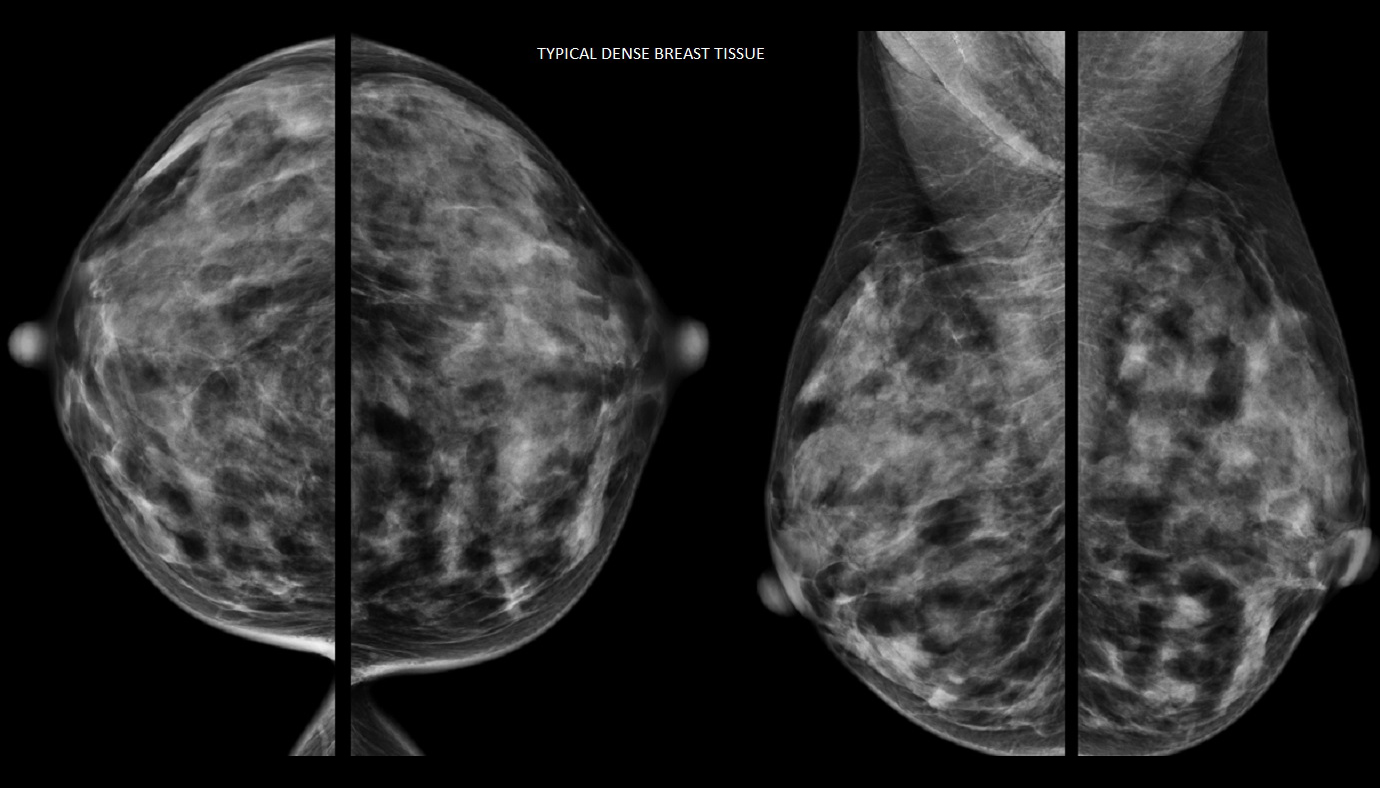
Screening exams, on the other hand, are performed to help detect diseases early, before they cause symptoms. Typically, a screening exam is performed at a regular interval, such as annually. One of the most common examples of screening is a mammogram, which is performed every year or every two years to look for subtle changes in your breast tissue which may reflect an early cancer.
Making screening a part of your health care regimen ensures diseases are found early, when they are still treatable. Screening saves lives. According to the Canadian Cancer Society, the death rate from breast cancer has been declining since the 1980s. This is thanks to earlier detection from regular mammogram screening and improvements in breast cancer treatment.
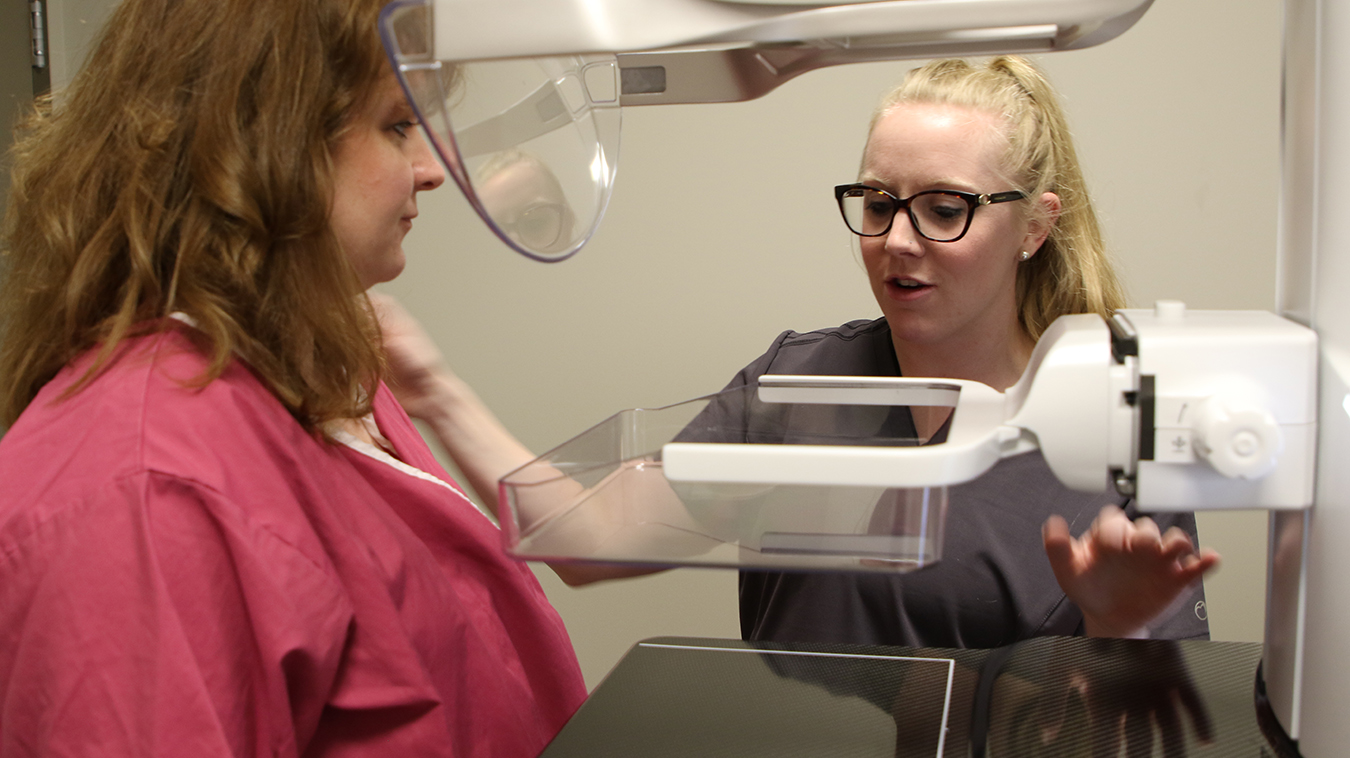
Screening mammography can be requested for women aged 40 and above when there are no symptoms, as part of a breast screening program. Mammography is a type of X-ray exam that takes images – called mammograms – for a detailed look at the internal structure of breast tissue to see changes that are too small for you or your doctor to feel. Having a screening mammogram every year, or every two years, makes it easier for a radiologist to compare your images and see changes or areas of concern. As part of the Alberta Breast Screening program, women 50 years and older don’t need a referral from a doctor to have a mammogram.
Bone mineral densitometry (BMD) is another type of medical imaging screening exam. BMD is an X-ray that takes very precise measurements of your bone density to help measure bone loss and your risk of developing osteoporosis. Low bone density and osteoporosis rarely have symptoms so may not be discovered until you sustain a fracture. According to Osteoporosis Canada, 80% of all fractures in people 50 years of age or older are caused by osteoporosis. In Alberta, a first (baseline) BMD exam might be recommended between ages 50-65 – your doctor will examine your risk factors before determining when to request this exam. Subsequent exams would then be performed every 1-5 years depending on your risk level and previous BMD results.
Screening exams can also be performed for early detection of heart disease, colon cancer, or lung cancer. Patients who are at high risk of these illnesses due to a family history of disease or personal risk factors can have CT screening. These tests are often performed with a low radiation dose and can identify these diseases while they are still treatable. For example, the NELSON trial in Belgium and the Netherlands in 2018 concluded that CT screening of men at high risk for lung cancer reduced lung cancer deaths by 26% after 10 years.
Except for breast screening in women over 50, both screening and diagnostic imaging exams must be requested by a health care practitioner. Which type of imaging is appropriate will depend on your medical and family history, risk factors, and any relevant symptoms.
At Mayfair Diagnostics BMD and mammography screening exams are covered under the Alberta Health Care Insurance Plan. Your doctor will consider your age, gender, and risk factors when recommending whether you would benefit from regular screening, and how often. Read more about the Alberta breast screening guidelines, and national BMD guidelines.
We also offer private CT services, similar to that offered in hospitals in the public health care system. This includes CT screening exams, such as a low-dose virtual colonoscopy to screen for colon cancer, a low-dose lung CT to screen for early signs of lung cancer, or a coronary CT angiography to screen for plaque in the arteries supplying the heart muscle (a risk factor for heart disease). These exams are available as private pay exams and can be purchased for single or multiple body areas, or as a Health Assessment Package.
For more information, please visit our services page.
REFERENCES
Alberta Health Services (2021) “Get Screened.” www.screeningforlife.ca. Accessed July 10, 2022.
Canadian Cancer Society (2022) “Breast Cancer Statistics.” www.cancer.ca. Accessed July 6, 2022.
Canadian Cancer Society (2022) “Bone density scan.” www.cancer.ca. Accessed July 6, 2022.
Canadian Task Force on Preventive Health Care (2016) “New Lung Cancer Screening Guideline.” www.canadiantaskforce.ca. Accessed July 6, 2022.
De Koning, H. J., et al. (2020) “Reduced Lung-Cancer Mortality with Volume CT Screening in a Randomized Trial.” New England Journal of Medicine, 2020; 382:503-513. Accessed July 6, 2022.
Engmann et al. (2017) “Population-Attributable Risk Proportion of Clinical Risk Factors for Breast Cancer.” JAMA Oncology. 2017; 3(9) 1228-36.
National Osteoporosis Foundation (2022) “What is Osteoporosis and What Causes It?” www.nof.org. Accessed July 6, 2022.
Osteoporosis Canada (2022) “Bone Mineral Density Test.” www.osteoporosis.ca. Accessed July 6, 2020.
Papaioannou, A. et al (2010) “2010 clinical practice guidelines for the diagnosis and management of osteoporosis in Canada: summary.” CMAJ, November 23, 2010, 182 (17) 1864-1873. Accessed July 10, 2020.
Radiologists are specialized physicians who interpret diagnostic imaging to diagnose and monitor a wide range of medical conditions. At Mayfair Diagnostics, they review X-ray, ultrasound, CT, and MRI studies, among others, analyzinsg images in detail and providing comprehensive reports and clinical recommendations to referring physicians. They collaborate closely with technologists and clinic teams to guide imaging protocols, ensure quality and radiation safety standards, and may perform image-guided procedures such as biopsies or injections. Through their expertise and teamwork, radiologists play a key role in accurate diagnosis, effective treatment planning, and improved patient outcomes.
Administrative professionals support the organization across human resources, marketing, operations, strategic partnerships, finance, information technology, and infrastructure. From recruiting staff to promoting services and improving workflows, they help ensure smooth operations and positive experiences for employees and patients. Through collaboration with clinical and support teams, they provide essential coordination that enables efficient, high-quality service.
Diagnostic Imaging Assistant (DIA) support clinic operations and help ensure a positive patient experience. They assist staff by greeting and preparing patients, confirming information, coordinating appointments, and guiding patients through their visit. DIAs also maintain exam rooms, manage documentation, and ensure supplies and equipment are ready. Through strong customer service, attention to detail, and teamwork, they help create a safe and organized environment.
Patient Experience Coordinators (PECs) are the first point of contact, scheduling exams and ensuring accurate patient information. They communicate clearly with patients, coordinate with care teams, and support a smooth, confidential, and customer-focused experience.
Nuclear Medical Technologists perform diagnostic nuclear medicine procedures involving sensitive and highly personal patient circumstances. They are responsible for delivering the highest standard of care in a professional, compassionate, and patient-centered manner, in accordance with provincial regulatory requirements, CAMRT standards, and Mayfair policies and guidelines.
Computed Tomography (CT) Technologists operate CT imaging equipment to produce detailed cross-sectional images of the body that assist in diagnosing a wide range of medical conditions. They prepare and position patients for scans, ensure safety protocols are followed, and administer contrast agents when required. CT technologists work closely with radiologists to ensure high-quality diagnostic images are obtained, while providing clear communication and compassionate care to support patient comfort throughout the procedure.
Magnetic Resonance Imaging (MRI) Technologists operates MRI scanners to produce detailed images of internal body structures used to assist in medical diagnosis and treatment planning. They are responsible for preparing and positioning patients, ensuring all safety protocols are strictly followed due to the strong magnetic field, and obtaining high-quality images as directed by radiologists. MRI technologists combine technical expertise with patient care, providing clear communication and support to ensure a safe, comfortable, and efficient imaging experience.
Diagnostic Medical Sonographers perform ultrasound exams to help diagnose and monitor medical conditions. Following Sonography Canada standards and Mayfair Diagnostics protocols, they capture accurate images while ensuring patient safety, comfort, and confidentiality. They work with radiologists and clinical teams to review requisitions, prepare patients, perform scans, and document findings, contributing to accurate diagnoses and a positive patient experience.
Medical Radiation Technologists (MRTs) perform x-ray, mammography, and BMD exams while ensuring patient safety, accuracy, and compassionate care. They also may assist in pain therapy procedures. MRTs verify patient information, explain procedures, position patients, and produce high-quality images. MRTs follow professional standards and protocols, maintaining strict radiation safety, quality assurance, and patient privacy while supporting a positive patient experience.
We foster a supportive and collaborative culture designed to encourage positive patient experiences and build strong working relationships across the organization:
Our core values shape the way we work with patients, partners, and fellow employees. And, more than anything else, they’re what set Mayfair apart. In everything we do, this is what we strive for:
EXCELLENCE
We share a commitment to high quality and excellence in all that we do. This commitment calls on all of us to achieve the very best of our capabilities and exceed our own expectations.
CURIOSITY
We innovate in everything, from services to processes. We believe meaningful change and effective problem solving come only by looking at challenges and opportunities from new angles and by exercising our creativity and curiosity.
PASSION
We show pride, enthusiasm, and dedication in everything that we do. We are committed to producing and delivering high-quality results and services. We are passionate about our industry and about our company, services, partners, and patients.
COLLABORATION
Our team is supportive of each other’s efforts; we are loyal to one another; and we care for one another both personally and professionally. We promote and support a diverse, yet unified, team. We work together to meet our common goals across Mayfair clinics, locations, and geographies. Only through collaboration on ideas, technologies, and talents can we achieve our mission and vision.
SERVICE
We take pride in delivering exceptional service every day. We listen to every request with an open mind, always looking for opportunities to go above and beyond to create memorable, personalized experiences. We take responsibility to answer our referrers’ and patients’ requests and respect their time by always responding with a sense of urgency.
Join Mayfair Diagnostics, recognized as one of Western Canada’s premier medical imaging organizations. With a century-long legacy and headquartered in Calgary, Alberta, Mayfair Diagnostics is dedicated to assisting patients in achieving clarity regarding their health.
Operating clinics in Calgary and surrounding areas, Regina, and Saskatoon, our multidisciplinary team of radiologists, technologists, and support staff collaborate seamlessly to deliver high quality patient care. Working here is more than just a job; it’s a strong step towards your future.
OUR TEAMS
We are a dedicated group of professionals who combine skill with compassion to deliver attentive care to our patients. As a reliable partner in their health care journey, we provide high-quality imaging that assists patients, physicians, and other providers in making informed health decisions. Our work goes beyond imaging; it’s about fostering relationships and positively impacting everyone we serve.
OUR VISION
We envision a world where every person has clarity about their health. We innovate and welcome change, promoting leadership and creativity through safe risk-taking. We share best practices, earn peer recognition for our work, and engage top talent to reach our goals.
We strive to be thought leaders and encourage creativity by providing a safe place for calculated risk taking.
We share best practices across our operations and are recognized by our peers for our work. We engage the best to help propel us forward in achieving our goals.